Tag: ecology

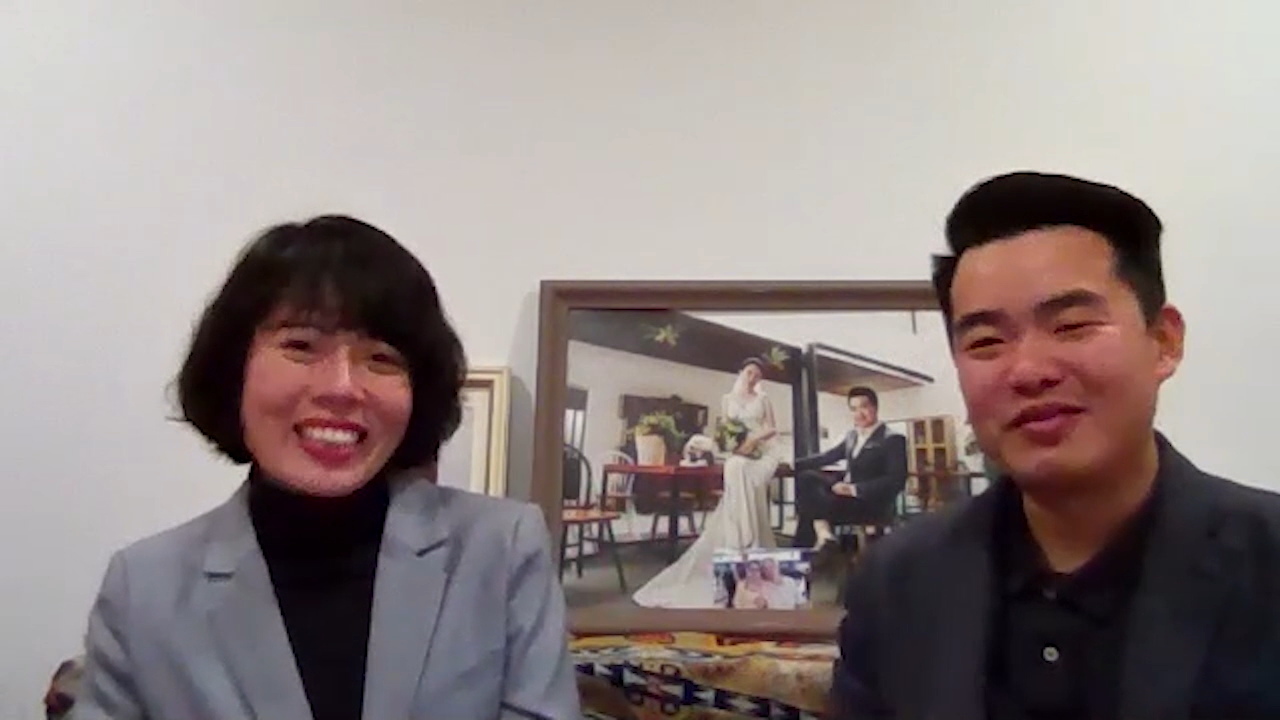
  • Theresa Chuang and Chris Zheng — Love as Harmony

    Theresa Chuang and Chris Zheng — Love as Harmony


    A Narrative of Love conversation hosted by Dr Scherto Gill

    ▶ Watch this conversation on YouTube


    In this distinctive double conversation, Theresa Chuang and Chris Zheng bring perspectives rooted in Taoist philosophy, ecology and social enterprise to explore what love means in a Chinese cultural context — and what East and West might offer one another.

    Chris observes that Chinese culture is fundamentally about harmony: a relational quality that operates between people, between humanity and nature, and between the visible and invisible dimensions of life. Western culture’s strength, by contrast, lies in its emphasis on love between individuals. The invitation is for each tradition to learn from the other: for China to allow more direct, expressive love, and for the West to deepen its understanding of harmony as a form of love that encompasses whole systems.

    Both practitioners are working to bring Taoist principles into mainstream life rather than retreating from society — running social enterprises and NGOs that attempt to embody ecological civilisation in practice, with “head, hand and heart” as their guiding orientation. The conversation reflects on infinite responsibility as an expression of love; on the importance of not mimicking the aggressor in one’s activism; and on the simple, grounding practice of civil diplomacy through designing resilient communities and returning to reverence for the harmony of nature.


    This is one of eleven conversations in the A Narrative of Love series, hosted by Dr Scherto Gill in preparation for the 5th Spirit of Humanity Forum, June 2021. The series was sponsored by the Pureland Foundation and the Guerrand-Hermès Foundation for Peace (GHFP).

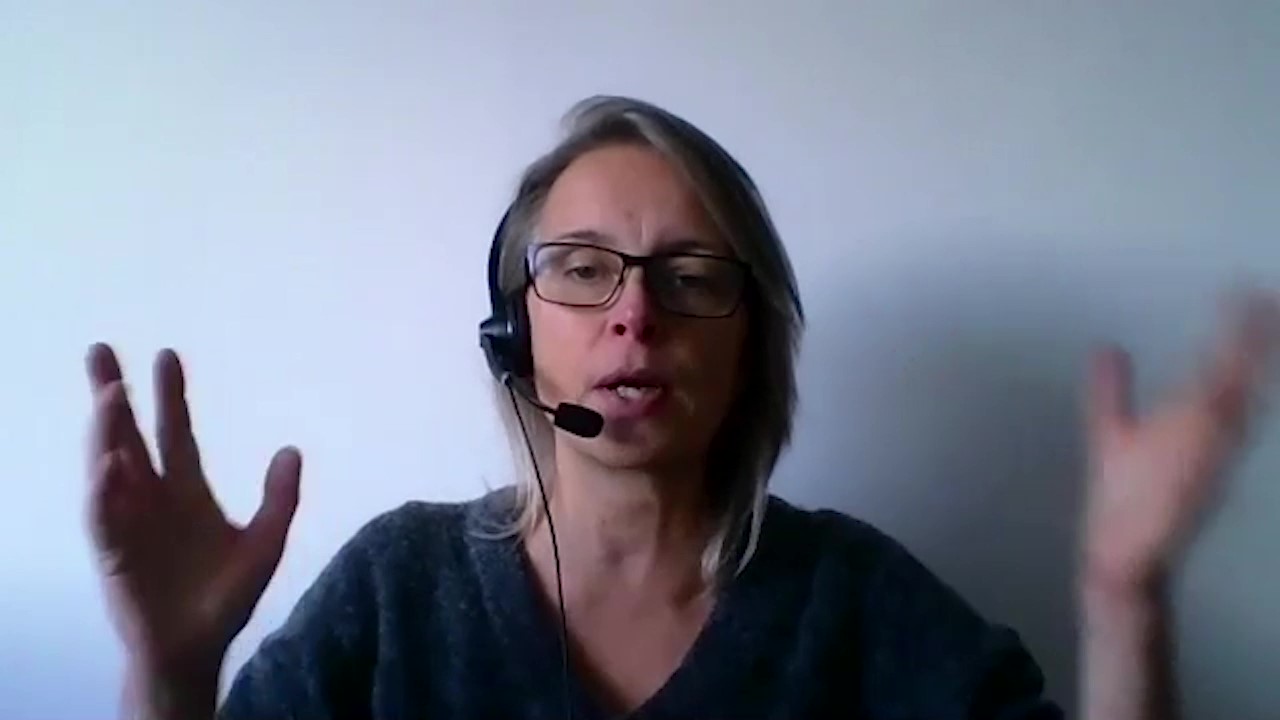
  • Dr Vandana Shiva — Seeds of Love

    Dr Vandana Shiva — Seeds of Love


    A Narrative of Love conversation hosted by Dr Scherto Gill

    ▶ Watch this conversation on YouTube


    Dr Vandana Shiva opens with a striking claim: agriculture is an act of love. From her earliest experience of her father’s nurturing care to her lifetime of work defending seeds, soils and the rights of farming communities, she traces a single thread — that love is not sentiment but relationship, not abstraction but practice rooted in the living world.

    She articulates a vision of love as compassion, as the recognition of interconnectedness that makes exploitation impossible: when there is unconditional trust, there is unconditional love. The problems humanity faces — ecological destruction, corporate monoculture, the erosion of commons — arise, she argues, from blindness, denial and a fear of love; from a manipulated world of domination and control that severs the thread of relationship between human beings and the living systems that sustain them.

    Vandana Shiva calls for spiritually inspired activism that does not mimic the aggression of oppressive systems: non-violent power grows, she insists, while violent systems, being ultimately loveless, cannot endure. She describes economies of love — drawing on Aristotle’s sense of economy as the art of living well — in which the only true measure of wealth is right relationship, care and the recovery of the commons.

    And she closes with a seed: a simple, radical act of love available to anyone. If we can save one seed, she says, it will hold within it the imagination of love.


    This is one of eleven conversations in the A Narrative of Love series, hosted by Dr Scherto Gill in preparation for the 5th Spirit of Humanity Forum, June 2021. The series was sponsored by the Pureland Foundation and the Guerrand-Hermès Foundation for Peace (GHFP).

  • Lene Rachel Andersen — Love, Bildung and the Nordic Secret

    Lene Rachel Andersen — Love, Bildung and the Nordic Secret


    A Narrative of Love conversation hosted by Dr Scherto Gill

    ▶ Watch this conversation on YouTube


    Lene Rachel Andersen brings the tradition of Bildung — the European, and particularly Nordic, practice of deep human formation and development — into conversation with love. She tells the largely forgotten story of how the Folk High School movement of the 19th and 20th centuries cultivated inner transformation, self-awareness and self-authority in young people, and how this empowerment from the bottom up was the quiet foundation of the strong democracies and welfare societies of Scandinavia.

    She argues that modern education has made a profound error in stripping beauty, communal singing, meaning-making and spiritual development from the curriculum in pursuit of productivity — producing, she suggests, exactly the angry, frustrated and anxious young people we now see. If we have an educational system so focused on science and technology so people can go out and be producers and consumers, they will lose all the meaning-giving, purpose-giving parts of education.

    The conversation explores what it would mean to recover these dimensions — to lift from the bottom and ensure that every person has access to the skills, understanding and meaning-making that allows them to thrive for themselves and for others.

    Lene’s closing vision is one of narrative renewal: moving from a story of exploitation and extraction to one in which humanity reconnects with the fullness of what it has been and what it might yet become — embracing cultural and biological diversity, and the extraordinary richness of the living world we have inherited.


    This is one of eleven conversations in the A Narrative of Love series, hosted by Dr Scherto Gill in preparation for the 5th Spirit of Humanity Forum, June 2021. The series was sponsored by the Pureland Foundation and the Guerrand-Hermès Foundation for Peace (GHFP).